Dispelling misfortune and restoring the spirit.
The origins of otoso are traced to China's Three Kingdoms period. Tradition attributes its creation to the celebrated physician Hua Tuo, and the custom is said to have reached Japan during the Heian period. Its name has long been associated with the wish to dispel harmful influences and restore the spirit, expressing hopes for good health through the coming year.
Facing east on New Year's morning.
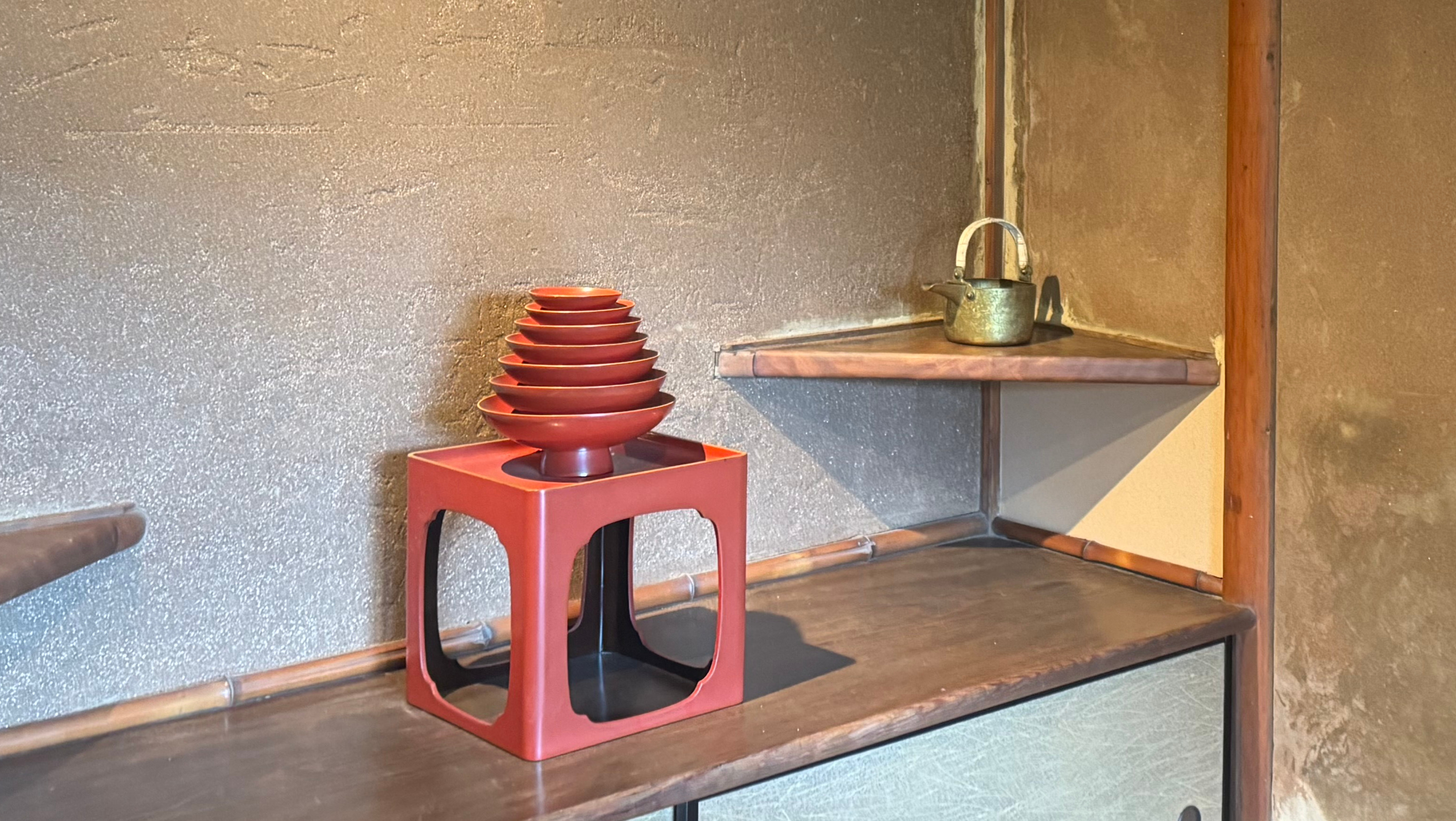
In the traditional custom, family members cleanse their hands with wakamizu, the first water drawn in the new year, and face east together on New Year's morning. Unlike the usual order at a banquet, the youngest drinks first and the eldest last, reflecting a wish to pass the vitality of youth to older family members. A traditional saying wishes that if one person drinks, the household will be free from illness, and if one household drinks, the surrounding community will be free from illness. Formally, otoso is taken in three rounds from a set of three stacked cups.
A red silk sachet lowered into a well.
From the Heian through the Edo period, there was also a custom of placing Tososan in a triangular red silk sachet called a kotai. The sachet was suspended in a well overnight on New Year's Eve, then removed on New Year's morning and infused in sake. The practice was said to carry the meaning of purifying the well water.
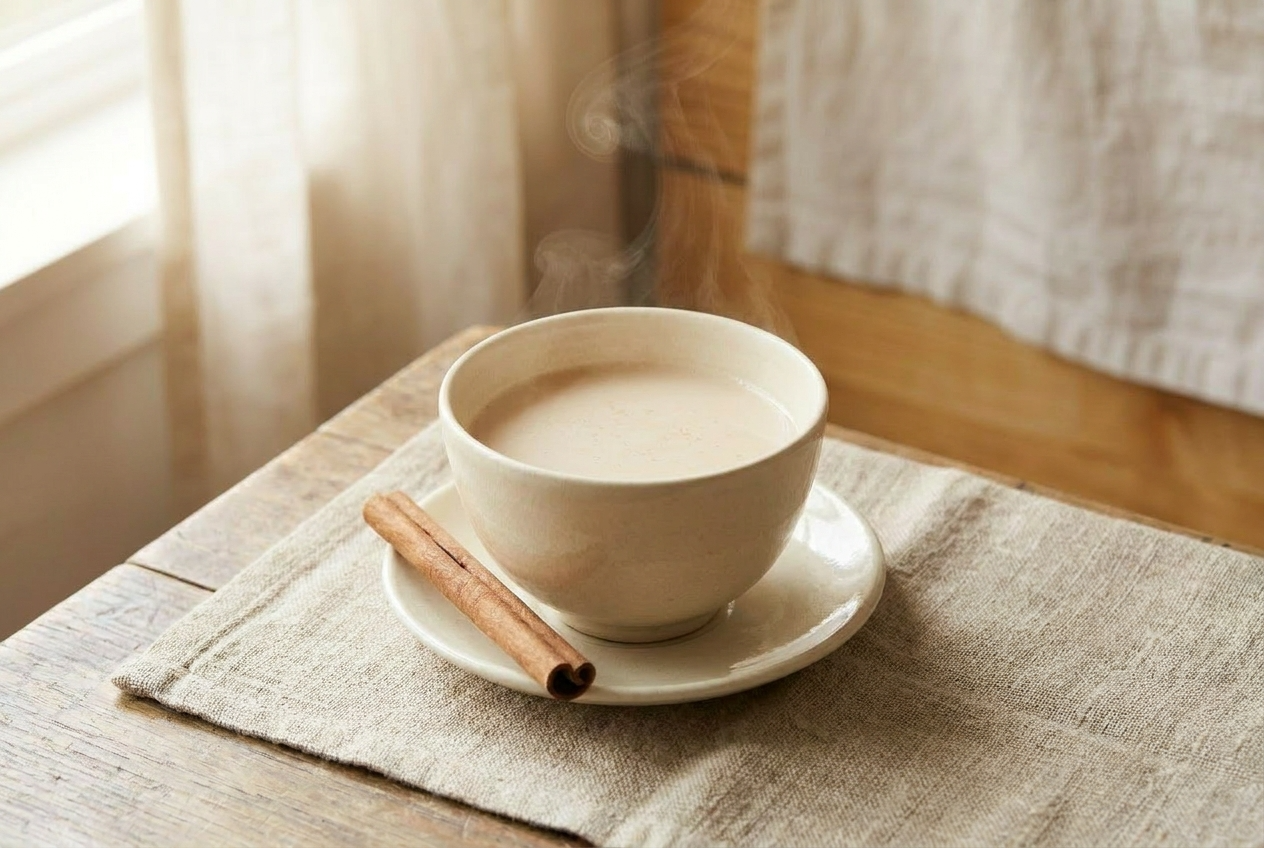
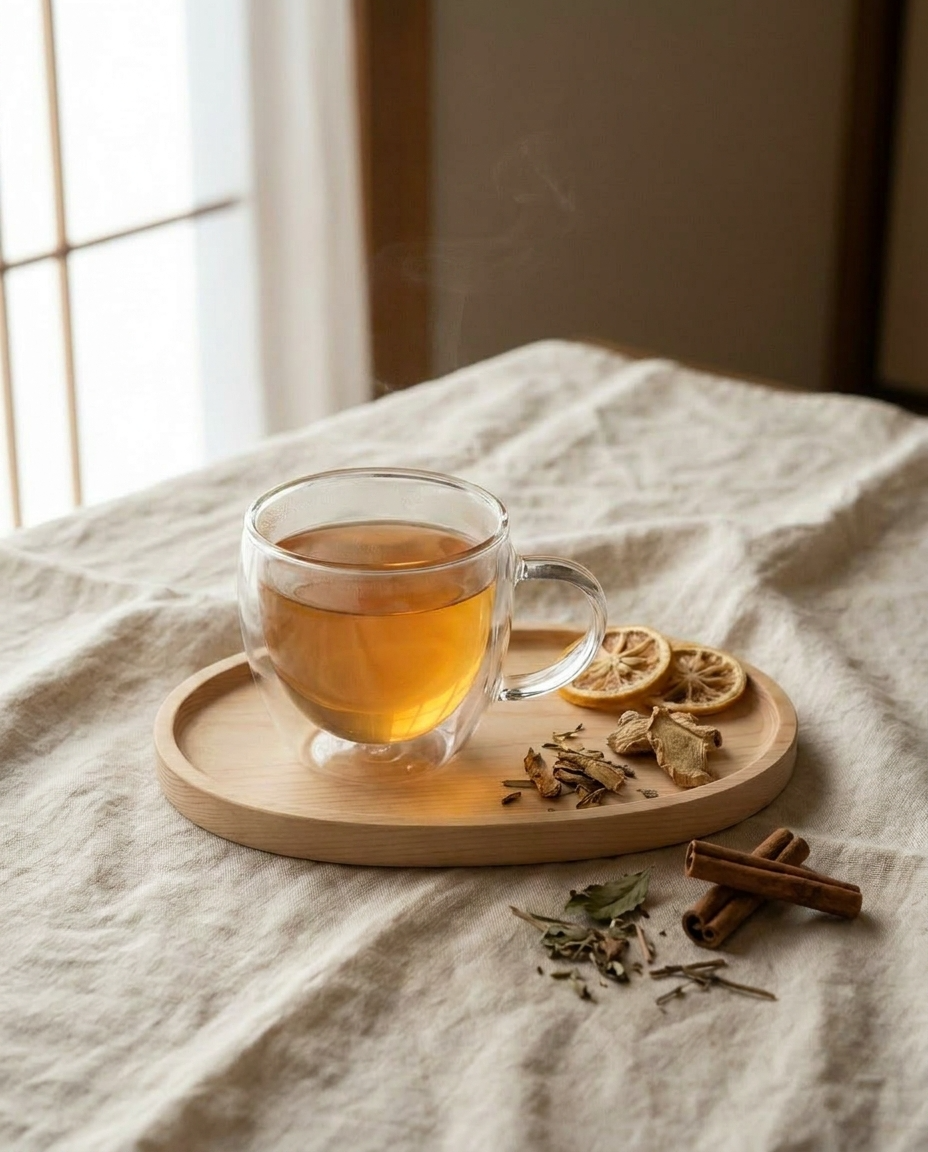
This custom has been carried forward for more than a thousand years. Today, it can also become a moment to share wishes for one another's wellbeing over chai or tea.